

Bad weather conditions play a critical role in influencing construction activities, often affecting safety, productivity, quality, cost, and project timelines. Construction work is largely carried out in open environments and is therefore directly exposed to weather-related risks. Rainfall, high winds, extreme temperatures, flooding, and severe storm events can disrupt planned activities and, if not properly managed, lead to significant project delays and safety incidents.
Rainfall and storm events are among the most common weather-related challenges in construction. Heavy rain can flood excavations and trenches, soften soil subgrades, and reduce ground bearing capacity, which directly affects earthworks and foundation construction. Wet conditions also delay concreting, formwork installation, and external works such as pavements and drainage. Prolonged exposure to moisture may compromise material quality and increase the risk of erosion and sediment runoff, particularly on sloping sites. In addition, wet surfaces create slip hazards, increasing the likelihood of workplace injuries.
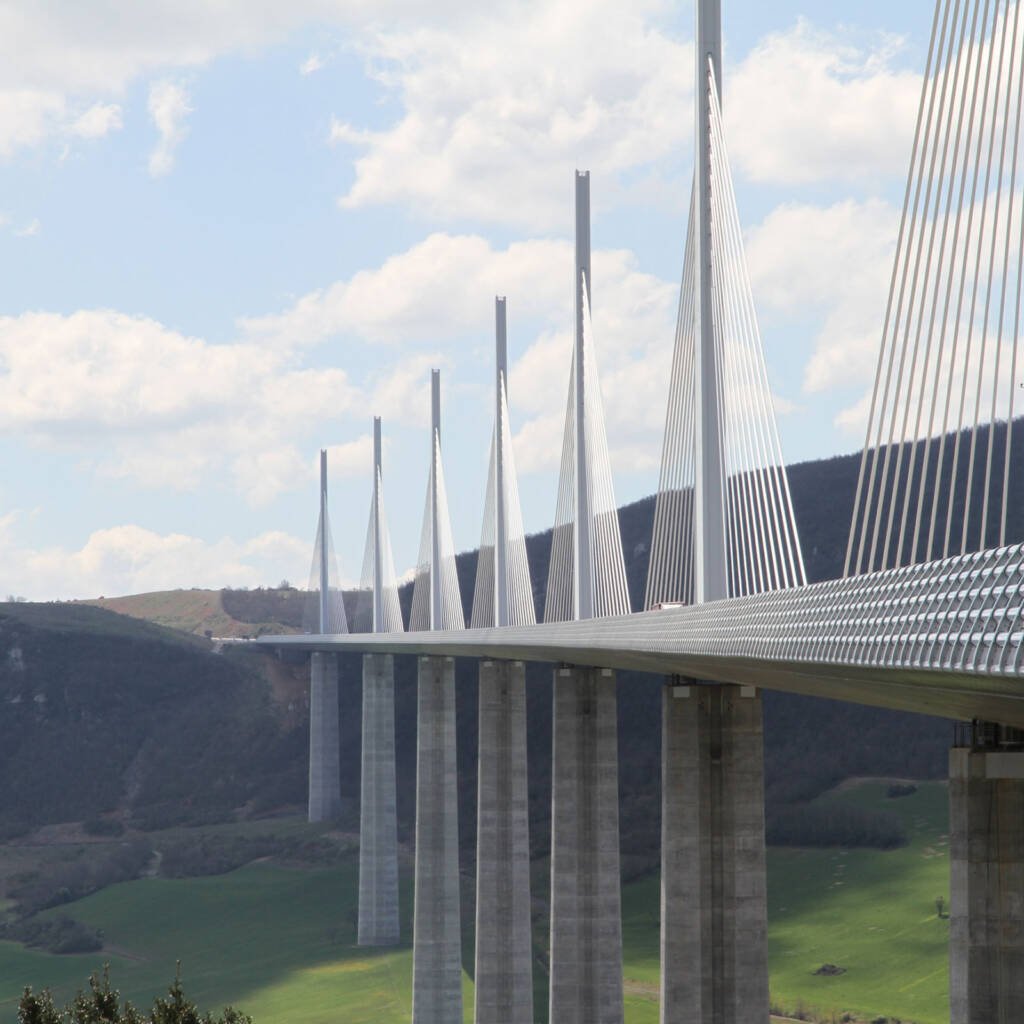

High wind conditions present serious safety risks, especially for activities involving cranes, lifting operations, scaffolding, roof installation, and work at heights. Strong winds can destabilise temporary structures and cause materials or tools to become airborne, posing a danger to workers and the public. As a result, lifting operations and elevated works are often suspended during high wind events, leading to productivity losses and programme delays.
Extreme temperatures also have a notable impact on construction operations. Hot weather can cause heat stress, dehydration, and fatigue among workers, reducing productivity and increasing the risk of errors and accidents. High temperatures can accelerate concrete setting, leading to difficulties in placement, finishing, and curing, as well as increased shrinkage cracking. Conversely, cold weather and frost conditions can slow concrete curing, reduce early-age strength, and make materials more brittle. Workers may also experience reduced efficiency and comfort in cold conditions, further affecting productivity.
Flooding and severe weather events can cause widespread disruption to construction sites. Floodwaters may restrict access, damage partially completed works, and require extensive clean-up and reinstatement before construction can resume. Prolonged flooding can significantly delay excavation and foundation works and may result in additional costs associated with dewatering, repairs, and programme extensions. Lightning and severe storms pose immediate safety risks, often requiring the suspension of outdoor activities and evacuation of exposed areas.
Overall, bad weather conditions can lead to reduced productivity, compromised quality if works proceed in unsuitable conditions, increased safety risks, and delays to the construction programme. These impacts often result in additional costs and may necessitate extensions of time under contract provisions. Consequently, effective weather monitoring, risk assessment, and proactive planning are essential. By implementing appropriate mitigation measures and adjusting construction methods and schedules, the adverse effects of bad weather on construction activities can be minimised, ensuring safer working conditions and improved project outcome